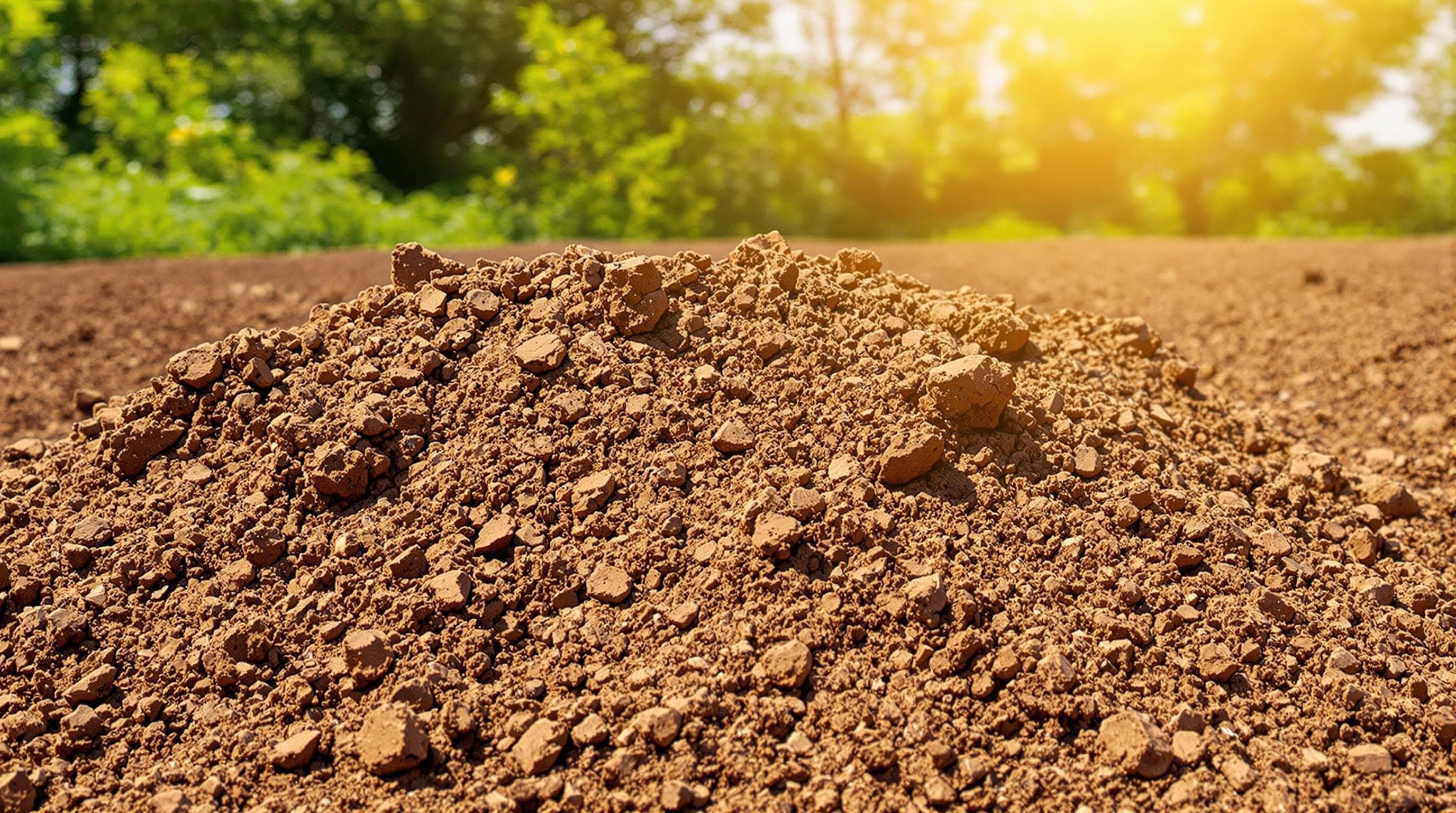
Soil Structure
Fixing Soil Compaction: A Groundsman's Guide
Fixing soil compaction is where every perfect surface starts. Here's the professional approach.
By Andy Church | Published July 30, 2024
The Silent Killer of Premier Turf
As a groundsman, you know that a world-class playing surface is a game of inches. But the most critical battle isn't fought on the surface; it's fought in the soil beneath. Soil compaction is the silent, unseen enemy that can undermine your best efforts, leading to a host of problems that are all too visible:
- Poor Drainage: Water sits on the surface after rainfall, leading to waterlogged pitches, cancelled games, and disease.
- Weak Root Systems: Roots struggle to penetrate dense, hard soil, leading to shallow rooting that can't withstand the rigors of play.
- Nutrient Lock-up: Compacted soil restricts the flow of air, water, and nutrients, essentially starving your turf.
- Increased Disease Pressure: Anaerobic conditions in compacted, waterlogged soil are a breeding ground for fungal diseases.
What Causes Soil Compaction?
Compaction occurs when soil particles are pressed together, reducing the pore space between them. For professional sports turf, the causes are relentless:
- Heavy Foot Traffic: The constant impact from athletes and maintenance crews.
- Machinery Weight: Mowers, rollers, and other heavy equipment squeeze the life out of your soil.
- Clay-heavy Soils: Soils with high clay content are naturally more prone to compaction.
Traditional solutions like mechanical aeration can provide temporary relief, but they are disruptive, labor-intensive, and often fail to address the underlying chemical imbalances that contribute to poor soil structure.
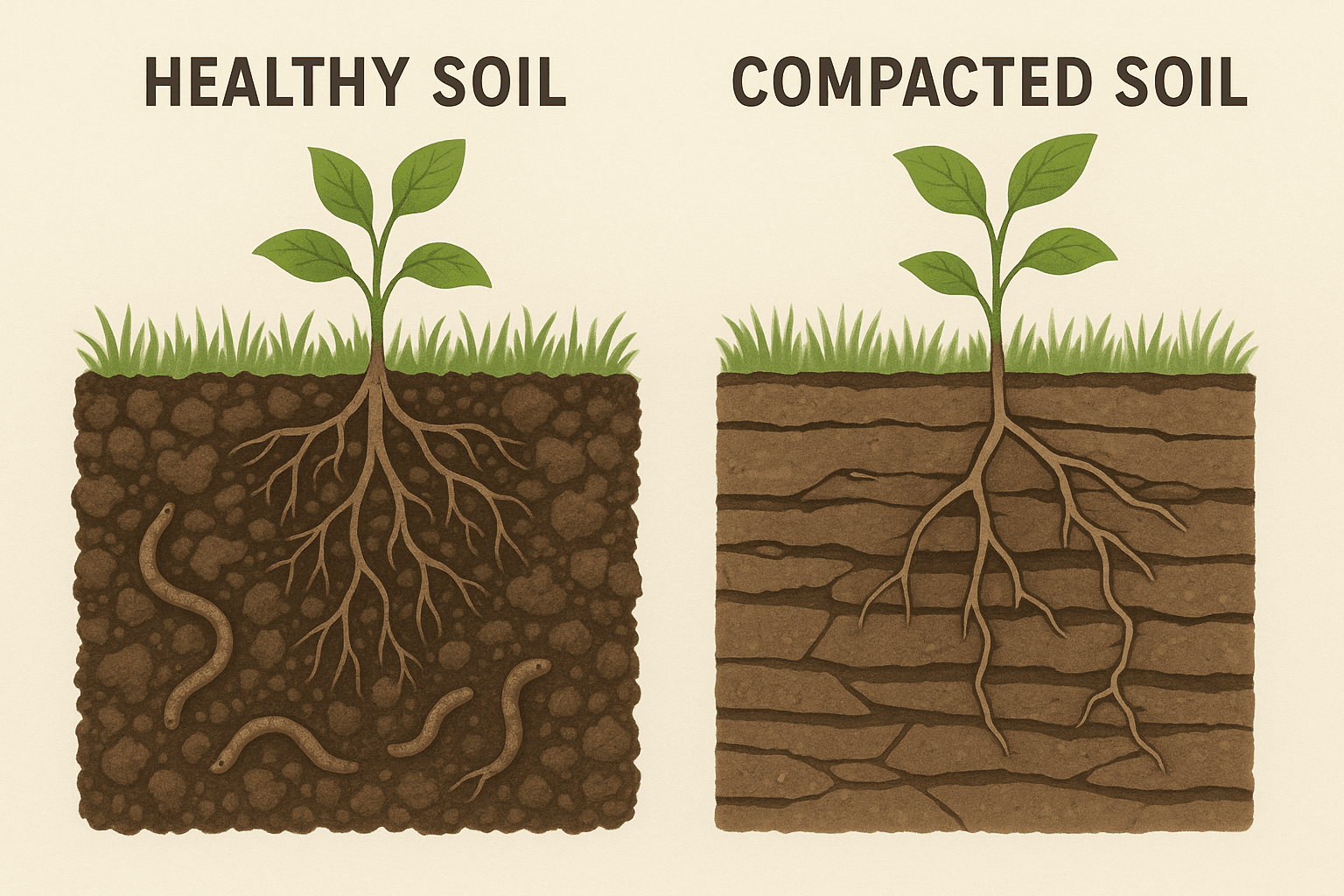
A visual comparison of healthy vs. compacted soil.
The Professional Solution: Chemical Decompaction
To achieve lasting results, you need to address the problem at a chemical level. This is where a high-quality liquid gypsum product becomes an essential tool in a groundsman's arsenal.
The science is straightforward: excess sodium (Na) and magnesium (Mg) ions in the soil cause clay particles to bind together tightly. Calcium (Ca) is the key to breaking these bonds. When introduced, the calcium ions displace the sodium and magnesium, allowing the clay particles to flocculate, or clump together, creating larger pore spaces. This process is called flocculation, and it is the foundation of good soil structure.
This improved structure allows water to drain, air to return, and roots to thrive.
The GYP-FLO Advantage
Not all gypsum products are created equal. Traditional bulk gypsum has a very large particle size (around 1000 microns) and extremely low availability (less than 1%). It can take years to see any meaningful results.
GYP-FLO is different. It is an advanced liquid suspension of calcium sulphate with an ultra-fine 5-micron particle size. This provides over 80% availability, meaning it gets to work immediately, breaking down compaction and flushing sodium far more effectively and quickly than any granular alternative.
Conclusion: Build from the Ground Up
A world-class playing surface is a reflection of the healthy, well-structured soil beneath it. By addressing soil compaction at its root cause, you can improve drainage, encourage deep root growth, and ensure your turf has the foundation it needs to perform at the highest level. Mechanical aeration is a temporary fix, but a chemical approach with a product like GYP-FLO offers a lasting solution.